
FromSoftware did not invent difficult games, but Dark Souls changed the conversation around them. By 2026, the Souls-like label has become a design language rather than a strict recipe, and plenty of developers have borrowed its ingredients without simply copying the recipe card. Some miss the point entirely. Others understand that the real magic is not just punishing combat, but the tension between risk, reward, discovery, and a world that feels older than the player. The games below are not a formal ranking. They are a tour through the non-FromSoft Souls-likes that earned attention, often by mixing FromSoftware's ideas with Metroidvania exploration, RPG systems, or their own distinct art direction.
The 2D Experiments That Stuck the Landing
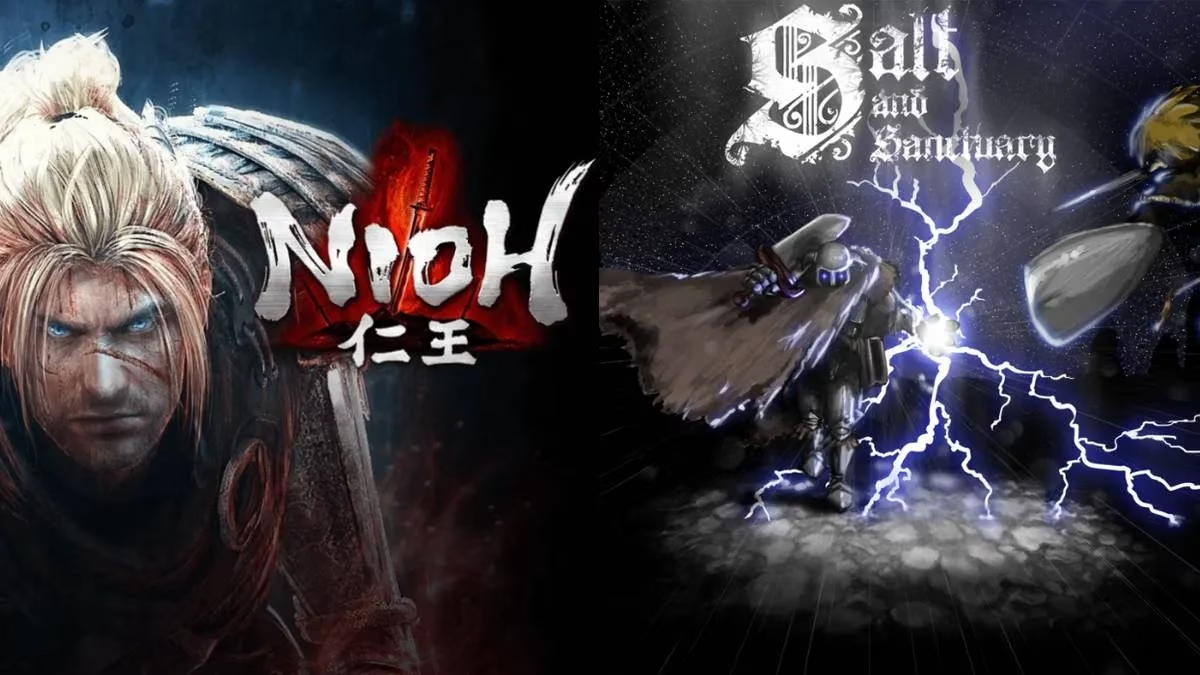
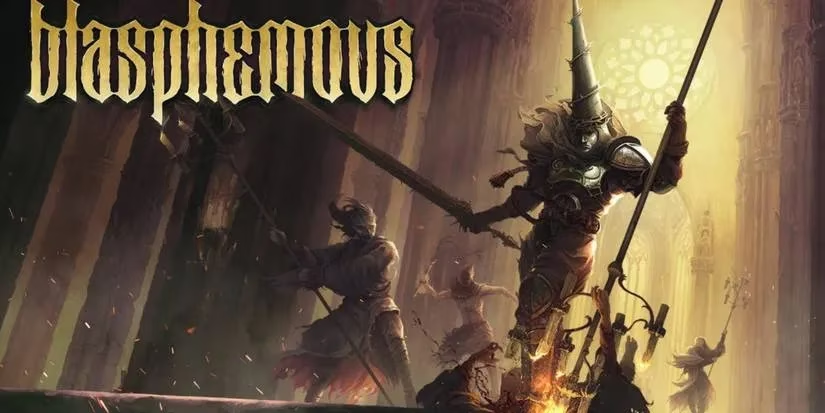
It is tempting to call every 2D indie Souls-like a dime a dozen. The Game Kitchen's Blasphemous shows why that shorthand is unfair. Players control the Penitent One across a bleak, Spanish-inspired land ruled by a religious force that blesses and punishes with equal enthusiasm. The pacing and difficulty spikes drew criticism, but the art direction is unforgettable. Blasphemous does not just borrow Dark Souls' gloom. It turns that gloom into a visual identity.
Ska Studios' Salt and Sanctuary takes a stranger route. The story begins with a stowaway on a ship carrying a princess who is being married off to prevent war. Then marauders and a sea monster intervene, and the player ends up stranded on a strange island with a very specific goal: find the princess. The 2D presentation leans into platforming and Metroidvania structure, while the combat and difficulty feel distinctly Souls-like. It is a smart translation of weighty melee and cautious exploration onto a flat plane.
Death's Gambit had a rockier start. The original 2018 release earned a mixed reaction, but the Afterlife rerelease improved the core experience and added new content. Set in a mysterious medieval fantasy world, it tells its story through 8-bit-inspired pixel art and combines Metroidvania progression with deep class systems, stat leveling, and crafting. It remains more obscure than many of its peers, but it earned its second chance.
Then there is Hollow Knight. Team Cherry's game arguably belongs more to the Metroidvania camp, yet its risk and reward loop is pure Souls-like. Players guide the Knight through Hallownest, a fallen kingdom of anthropomorphized bugs, and the tension comes from sharp combat challenges and the possibility of losing currency upon death. The subtle, somber storytelling and worldbuilding also feel like a loving homage to FromSoftware's narrative style. It is one of the clearest examples of how flexible the formula can be.
Ender Lilies: Quietus of the Knights is another standout. Developed by Adglobe and Live Wire, it wakes its amnesiac heroine in a church during a rain that drives everyone under it mad. Lily then seeks the source of the calamity. The combat encourages methodical, strategic play against unpredictable enemies and tough bosses, while her summons add a management layer that keeps fights from feeling like simple dodge-and-hit routines. It wears its inspirations openly, but it stands on its own.
The 3D Contenders With Their Own Ideas
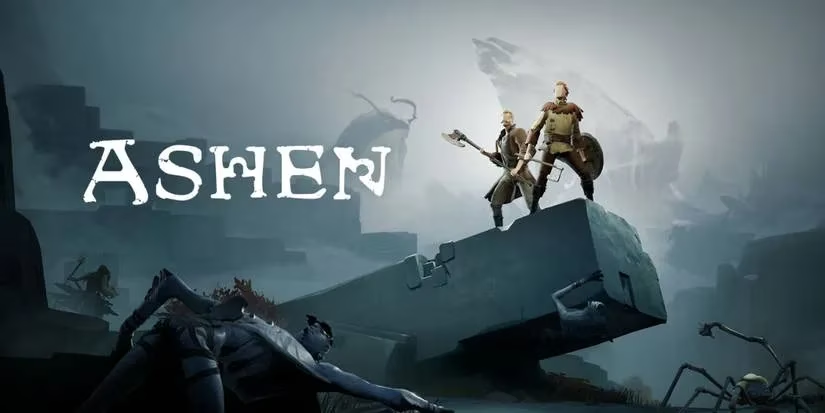
A44's Ashen takes the fundamentals of FromSoftware's work and scales them down without losing the mood. The story follows a character in a desolate, sunless world who is searching for a home. The subtly unraveling narrative, enemy design, and level progression all work effectively, and the co-op feature accentuates the game's survival and combat strengths. Its minimalist art style and bleak color palette create an ominous open world that lingers after the credits.
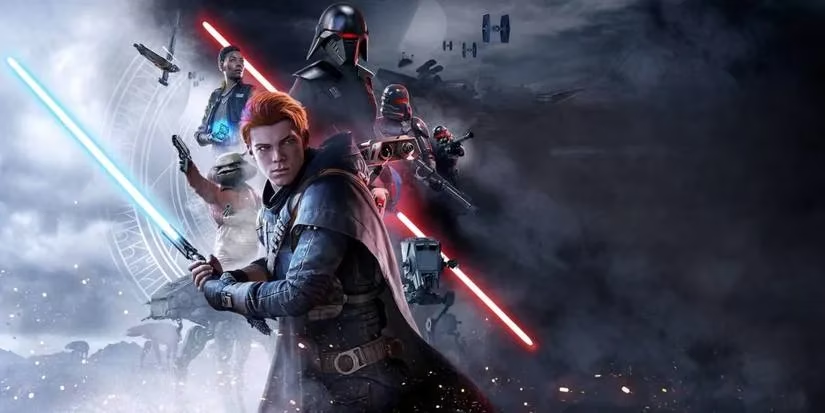
Star Wars Jedi: Fallen Order is one of the lighter and more approachable games in this space. After EA spent years letting the Star Wars license sit idle, Respawn's action adventure was praised as one of the best Star Wars games in recent memory. It blends Souls-like structure with Metroidvania exploration and lightsaber combat, and Cal Kestis' story became a welcome part of the canon. Some level design and ability progression critiques were fair, but the foundation was strong.
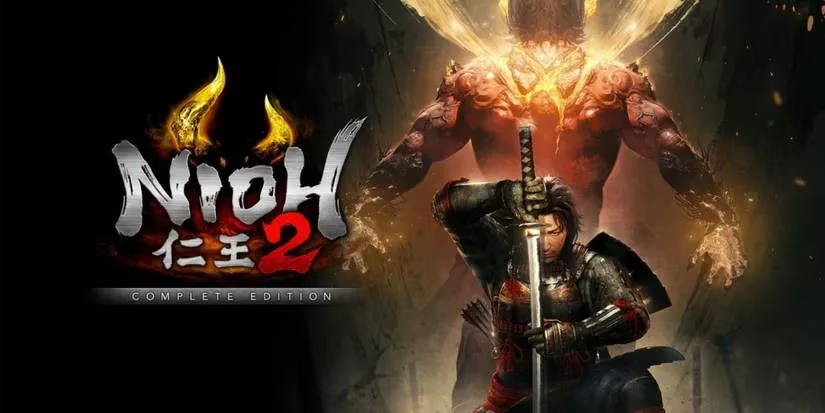
Team Ninja's Nioh and Nioh 2 bring a different flavor. The first game follows William Adams, loosely based on the real Western samurai, as he ventures through a supernatural version of Japan's Sengoku period. The story was criticized for being tonally uneven, but the difficulty, aesthetic, and exhilarating combat were strong enough to carry it. Nioh 2 pushes further with Soul Cores and other features that vary combat, and its character customization systems work together in impressively complex ways. The storytelling was never the main draw. The mechanical depth is.
Finally, Demon's Souls on PS5 is a technicality and a triumph. FromSoftware made the original, but Bluepoint Studios' top-to-bottom remake is an impressive feat in its own right. It preserves the essence of the original while giving it a stunning modern facelift, and it adds subtle quality-of-life improvements that respect the challenge. The journey to Boletaria, the corrupted king, and the Old One remains as oppressive and memorable as ever.
A Quick Comparison
| Game | What it borrows | What makes it stand out |
|---|---|---|
| Blasphemous | Punishing combat, bleak world | Spanish-inspired religious horror and striking art |
| Ashen | Subtle story, stamina combat, co-op | Minimalist sunless world and survival tension |
| Star Wars Jedi: Fallen Order | Souls-like structure, Metroidvania maps | Lightsaber combat and mainstream accessibility |
| Death's Gambit: Afterlife | Risk, stats, crafting | Pixel-art RPG depth and a strong rerelease |
| Salt and Sanctuary | Weighty 2D combat, exploration | Platforming and a strange island mystery |
| Nioh 2 | Difficult combat, loot, bosses | Soul Cores and complex customization |
| Ender Lilies | Grim fantasy, tough bosses | Summon management and strategic fights |
| Nioh | Methodical combat, supernatural tone | Historical fantasy and Ninja Gaiden speed |
| Hollow Knight | Currency loss, somber lore | Hallownest's bug kingdom and Metroidvania polish |
| Demon's Souls remake | Original Souls design | Bluepoint's PS5 visual overhaul |
Why the Formula Still Works
What ties these games together is not a shared difficulty slider. It is the feeling that the world is hostile, that exploration matters, and that every shortcut and every lost resource has weight. Some lean into 2D precision. Some lean into RPG builds. Some, like Jedi: Fallen Order, soften the edges for a broader audience. That flexibility is why the subgenre keeps growing. FromSoftware may have lit the fuse, but by 2026 the fire is burning in many different studios. 🎮⚔️
The following breakdown is based on Rock Paper Shotgun, whose PC-focused criticism often emphasizes how Souls-likes succeed when atmosphere, level discovery, and mechanical identity work together rather than relying on difficulty alone. That lens fits games like Blasphemous, Hollow Knight, and Nioh 2 especially well, since each builds on familiar risk-reward ideas while pushing its own visual style, combat rhythm, or exploration structure.
Comments