
You know, sometimes I just can't handle another game bursting with sunshine, rainbows, and overly cheerful characters. In 2026, with the gaming landscape more saturated than ever, what really gets my heart racing (in a melancholic, contemplative way) are those titles that aren't afraid to sit in the shadows. Why chase the light when you can find such profound beauty and coziness in the darkness? The games I'm about to talk about don't just have 'dark' settings; they have souls—often downtrodden, always atmospheric, and utterly captivating for those of us who appreciate a more somber palette.
The Unforgiving, Immersive Gloom
Let's start with the real heavy-hitters, the games that make you feel the chill in your bones. Rain World isn't just a hardcore 2D platformer; it's a masterclass in oppressive atmosphere. I'm talking about navigating the overgrown ruins of a dead civilization, where every creature looks like it wants to end your digital existence. The art direction is unique, sure, but it's the way the dark color palette and those sudden, sharp spikes of horror make you feel truly small and vulnerable. It's gloomy, yes, but in a way that's deeply immersive. You're not just playing a game; you're surviving in a beautifully harsh ecosystem.
Then there's The Long Dark. A survival simulation? More like a meditation on isolation and quiet desperation. The constant winter weather, the dark gray environments—it all works to suppress your spirit. But here's the magic trick: this overwhelming gloom makes the moments of peace absolutely transcendent. Can you imagine the sheer, fiery coziness of stumbling into a pitch-black cabin, seeing only shafts of dusty light, and then lighting a fire that fills the room with a warm orange glow? It's a feeling no brightly colored game has ever given me. The gloom isn't just a backdrop; it's the necessary contrast that makes the light matter.
Action and Stealth, Shrouded in Shadows
Who says gloomy games have to be slow? Ravenswatch proved me wrong. This action-roguelike is frantic and challenging, especially in online co-op. But don't let the fast-paced gameplay fool you—its world is layered with a thick, dark fantasy gloom. The first two acts, with their dark forests and perpetually stormy sands, are particularly effective. The constant ticking timer creates desperation, preventing the atmosphere from ever feeling plodding. It's a brilliant balance: you're fighting for your life in a world that feels perpetually on the verge of a tragic ending.
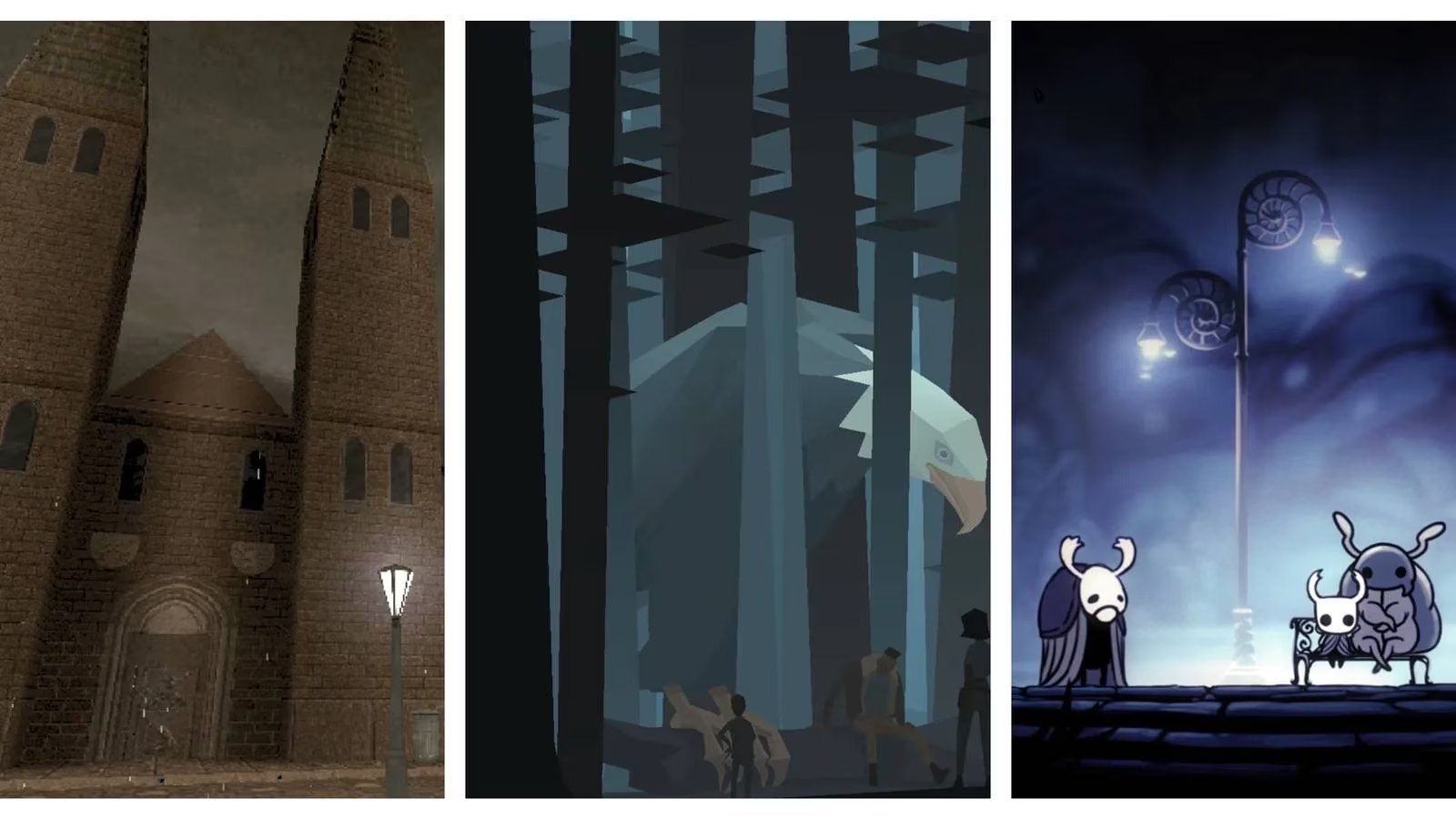
For a more methodical kind of dread, I turned to Gloomwood. The name says it all, doesn't it? This is a stealth-focused immersive sim with a Victorian setting that oozes atmosphere from every low-poly corner. The sparsely lit, cinematic environments are only the beginning. What really gets under your skin are the horrifying enemies with their deranged voice lines, the balance between eerie silence and unsettling music, and the slow, deliberate pace. It borrows from survival-horror to create a gloom that's not just visual, but psychological. For fans of getting creeped out one careful step at a time, it's a must-play.
Artistic Vision in Dreary Hues
Some games use their gloom as a core part of their artistic identity. Take HROT. In a sea of retro-FPS titles, its gunplay might not be the tightest, but its atmosphere is unmatched. The game is packed with drab, dreary environments and brutalist architecture. You'd think a repetitive color scheme would get boring, but instead, it creates highly immersive and strangely memorable locations. It proves that gloom doesn't mean a lack of creativity; it can be a focused aesthetic choice that defines a world.
And then there's the masterpiece, Hollow Knight. From the moment you descend into its underground world, a gloomy blanket settles over everything. Sure, there are unique biomes with splashes of color, but a tragic, dark undertone is always present. The hand-drawn art and careful color scheme make locations like the City of Tears or the Forgotten Crossroads iconic in their melancholy. The dark colors, sparse lighting, and that utterly heartbreaking music… it’s gloom used as a narrative and emotional tool. Isn't it amazing how a game about a cute bug can feel so profoundly sad and beautiful?
Minimalism and Narrative Melancholy
For a different flavor of gloom, INSIDE offers a minimalist, hopeless dystopia. This platformer-puzzle hybrid has a vague, unsettling narrative, but its greatest strength is its gloomy art direction. The total lack of dialogue, flat textures, and minimalist designs could have felt cartoonish. Instead, the subdued colors and masterful gloomy lighting create a heavily stylized, oppressive world that feels both timeless and terrifyingly plausible.
Finally, for those who prefer their gloom delivered through story, Kentucky Route Zero remains a landmark. This narrative adventure is essentially interactive fiction, driven by dialogue and slow exploration. Its magical-realist setting, rooted in Americana and surrealist imagery, is fundamentally strange and twisted. The gloom here comes from the downtrodden characters, the emotional music, and the dark, eerie environments they inhabit. It's a game that sits with you long after you've finished it, a quiet, gloomy companion to your own thoughts.
Why We Seek the Shadows: A Personal Conclusion
So, why do I, and so many others, gravitate towards these gloomy worlds in 2026? I think it's because they offer something real. Life isn't all bright colors and victory fanfares. These games explore the beauty in decay, the peace in silence, the coziness found in defiance of the cold. They provide a space for contemplation that a sunny field or a bustling cityscape often can't. They remind us that atmosphere is more than just graphics—it's a feeling, a mood, a world you can get lost in, even if that world is shrouded in mist and melancholy. In an industry often chasing the next big, colorful hit, these gloomy gems are a vital counterbalance, proving that sometimes, the most memorable journeys are the ones taken in the dark.
Comments