
Over the last few years, as the flood of AAA blockbusters became increasingly predictable, I found myself craving the raw creativity that only indie studios can deliver. These smaller teams—sometimes just a single developer—craft experiences brimming with nostalgia, innovation, and heart. I embarked on a journey through the best indie action-adventure titles, and what I discovered reshaped my love for gaming. From light‑hearted platformers to brutal boss rushes and sprawling space explorations, each game below left an indelible mark on me.
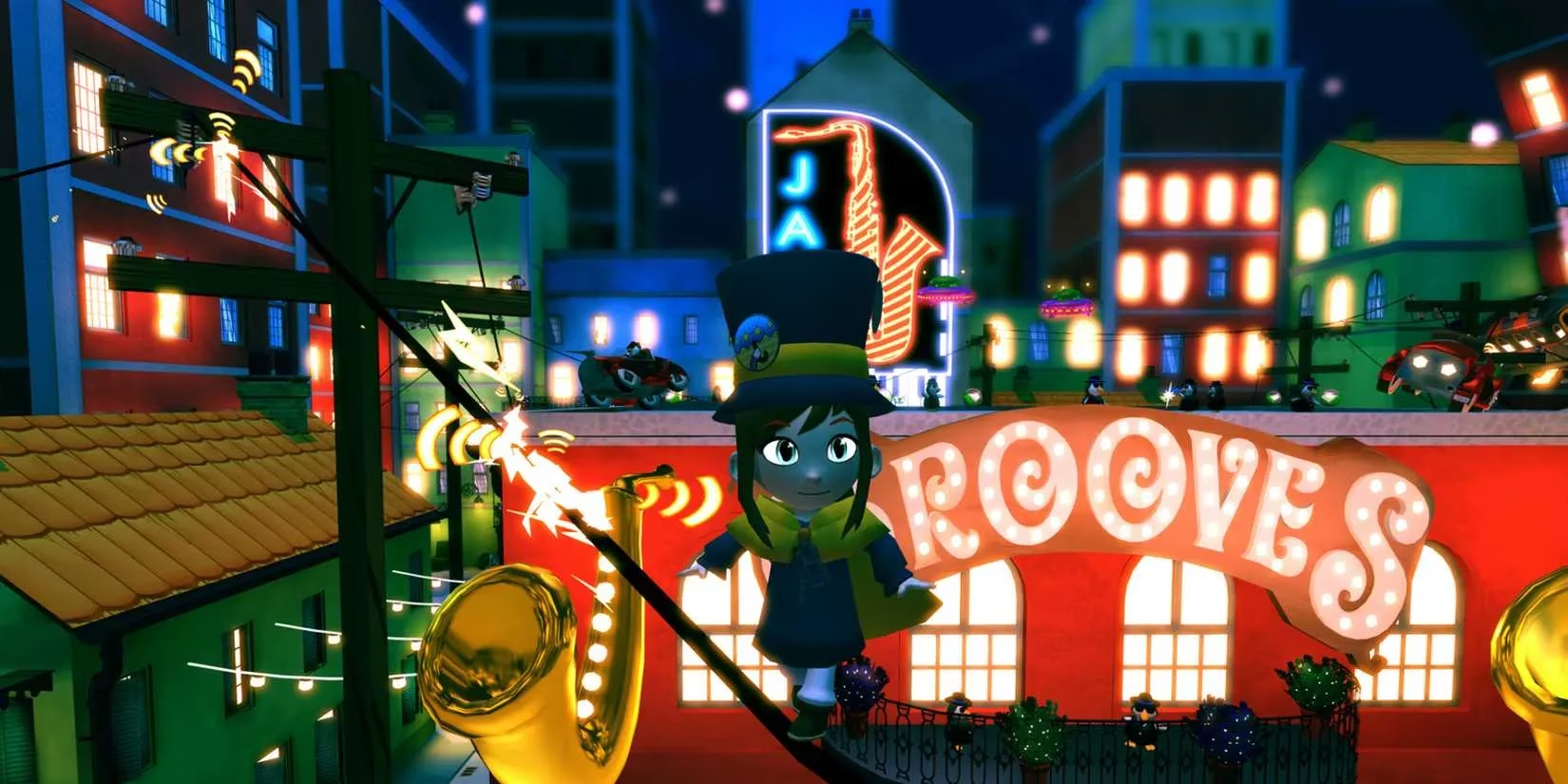
A Hat in Time: A Whimsical 3D Platformer Time Capsule
I started my indie adventure with A Hat in Time, a game that immediately transported me back to the golden era of Nintendo 64 and the original PlayStation. The moment I hopped into its colorful, toy‑like worlds, I felt the sheer joy of classic 3D platforming. The action isn't overly complex, but the sheer variety in level design keeps every stage feeling fresh—one minute I’m unraveling a Mafia‑themed caper, the next I’m soaring through an alpine village packed with ziplines. The light‑hearted adventure is enriched with clever mechanics: a customizable hat that grants abilities like sprinting, brewing potions, and even slowing time. What truly made me grin, though, was the local split‑screen co‑op; I roped in a friend, and we spent evenings laughing at the quirky characters and tackling each world’s unique challenges together.
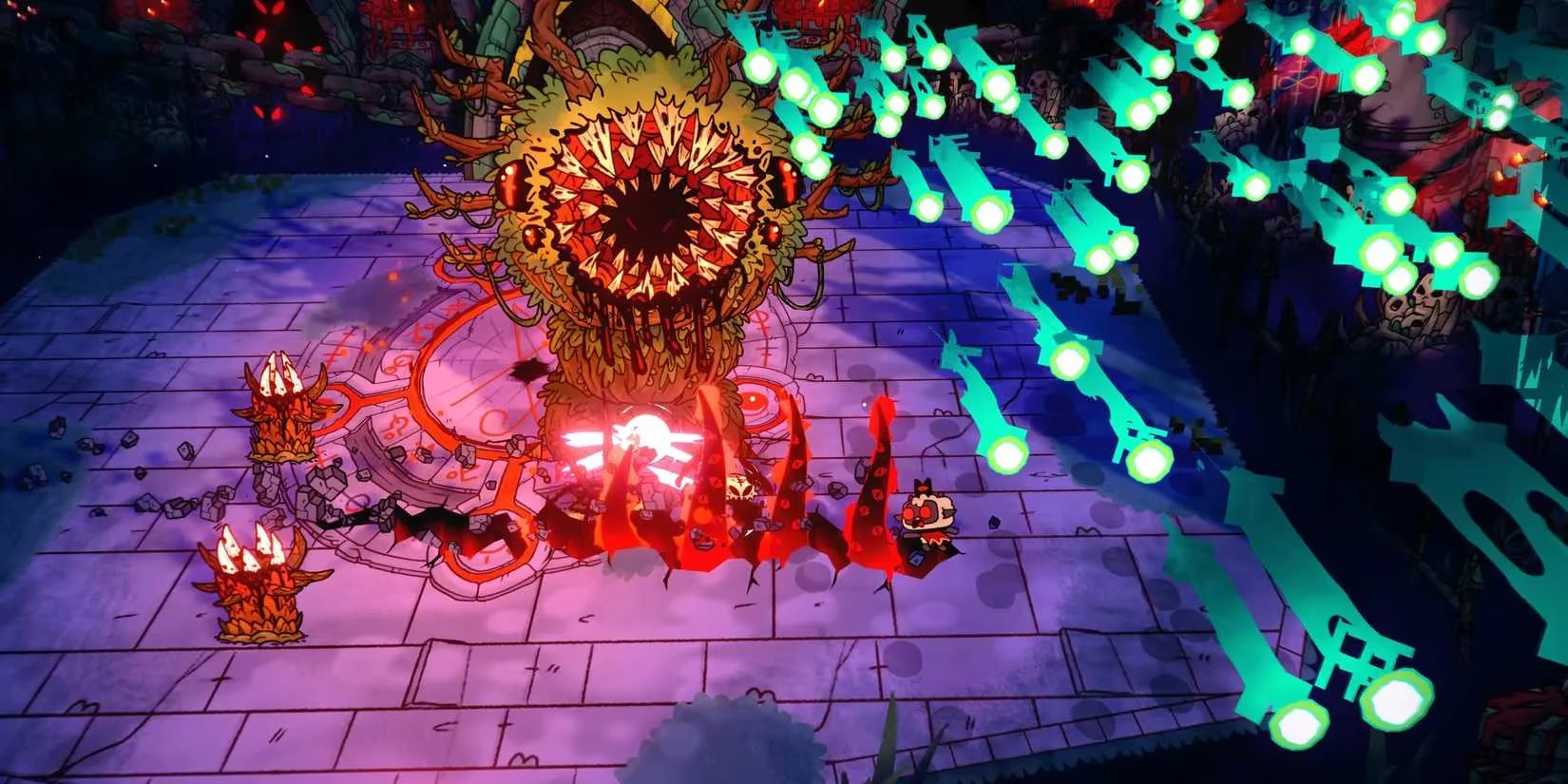
Cult of the Lamb: A Darkly Adorable Cult‑Management Sim
Next, I stumbled into the deceptively cute world of Cult of the Lamb. At first glance, this game is a roguelike action‑adventure where I, a possessed lamb, slash through isometric dungeons. But my true obsession came from building and managing my own woodland cult. I spent hours expanding the village: planting crops, constructing shelters, and—most importantly—performing sacrificial rituals to keep my followers devout. The juxtaposition of adorable animal villagers and the macabre premise creates a goofy yet addictive atmosphere. Each dungeon run fed resources back into the settlement, and I’d find myself saying “just one more expedition” well past midnight. The narrative is light, but the handful of eccentric characters, like the menacing Bishops, kept me thoroughly engaged.
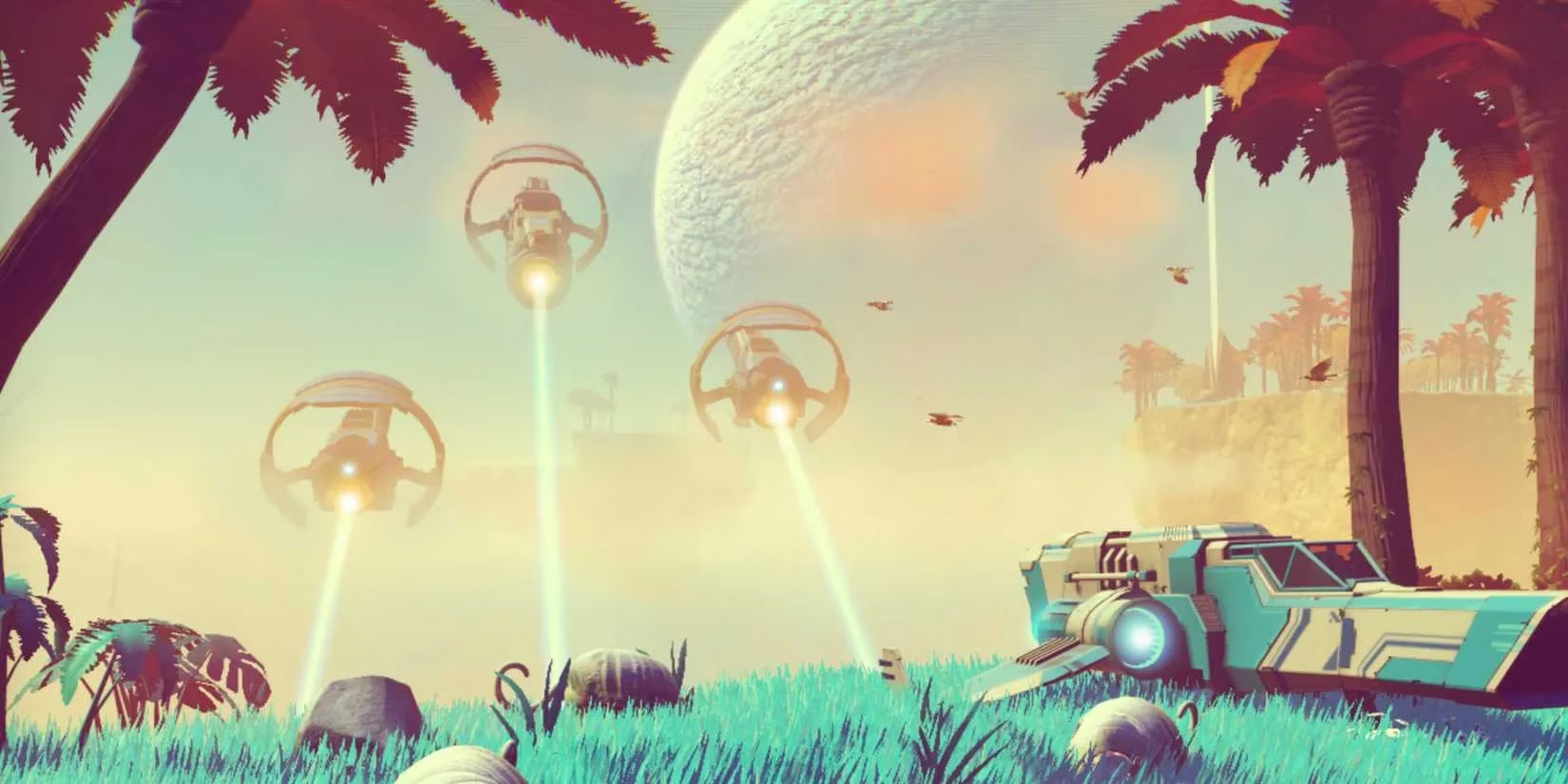
No Man’s Sky: From Controversy to Boundless Cosmic Wonder
I vividly remember the messy launch of No Man’s Sky in 2016, and like many, I set it aside. However, in true indie‑passion fashion, Hello Games quietly transformed it into the ultimate space exploration sandbox. When I finally dove back in 2026, I was greeted by a universe teeming with story‑driven quests, base‑building, multiplayer hubs, and a living economy. Skimming over alien oceans, cataloguing bizarre creatures, and stumbling upon ancient ruins now feels like a cohesive action‑adventure rather than aimless wandering. The sheer scale—18 quintillion planets—still boggles my mind, but it’s the crafted narrative beats and the thrill of surviving toxic storms that keep me exploring. No two sessions are ever the same, and that endless variety is precisely what I now crave.
UnderMine: A Roguelike Miner’s Delight
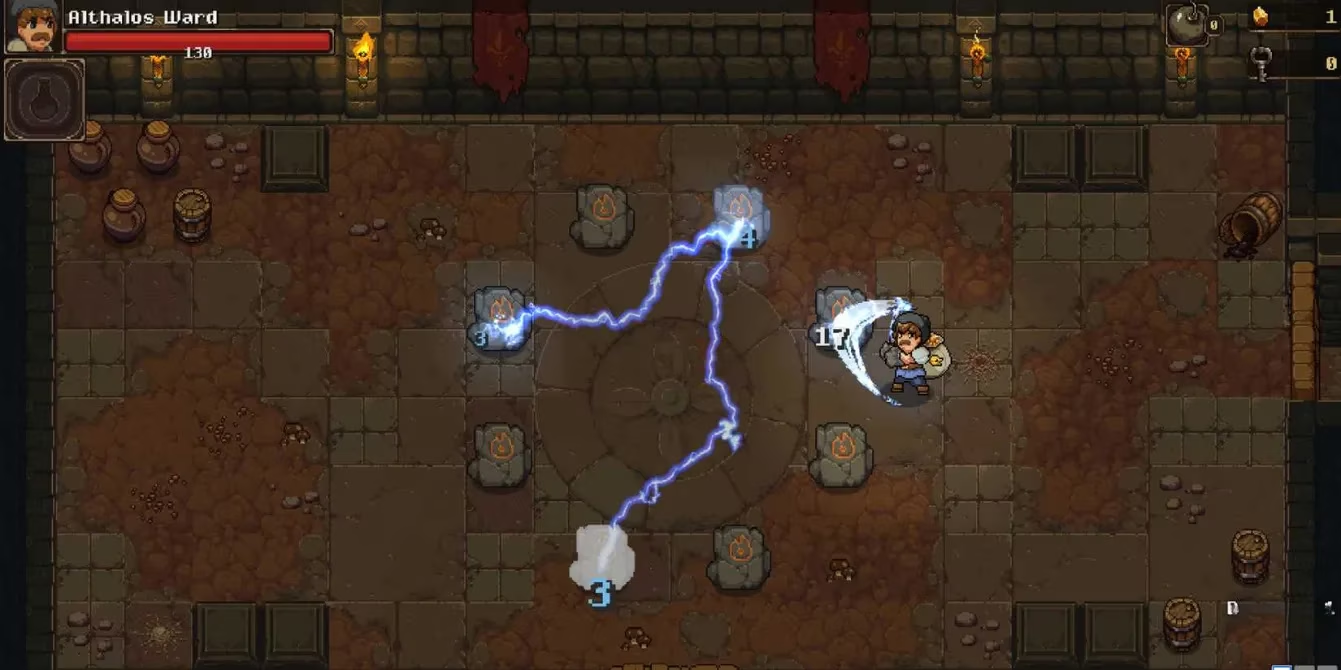
For something tighter and more frantic, I turned to UnderMine, a roguelike that blends RPG progression with frantic dungeon crawling. I control a humble miner descending into procedurally generated shafts, collecting gold, relics, and blessings while battling floating skulls and explosive slimes. Each run permanently upgrades my character, so even a disastrous death feels like progress. The combat is gloriously chaotic—rooms erupt into chain reactions of bombs, lightning, and rain of fire—and I often cackled as a single misstep triggered a cascade that wiped out a whole screen. There’s even actual mining: I could whack at shimmering rocks for extra loot, satisfying that deep‑seated need to chip away at resources.
Hyper Light Drifter: A 16-Bit Masterpiece of Silence and Skill
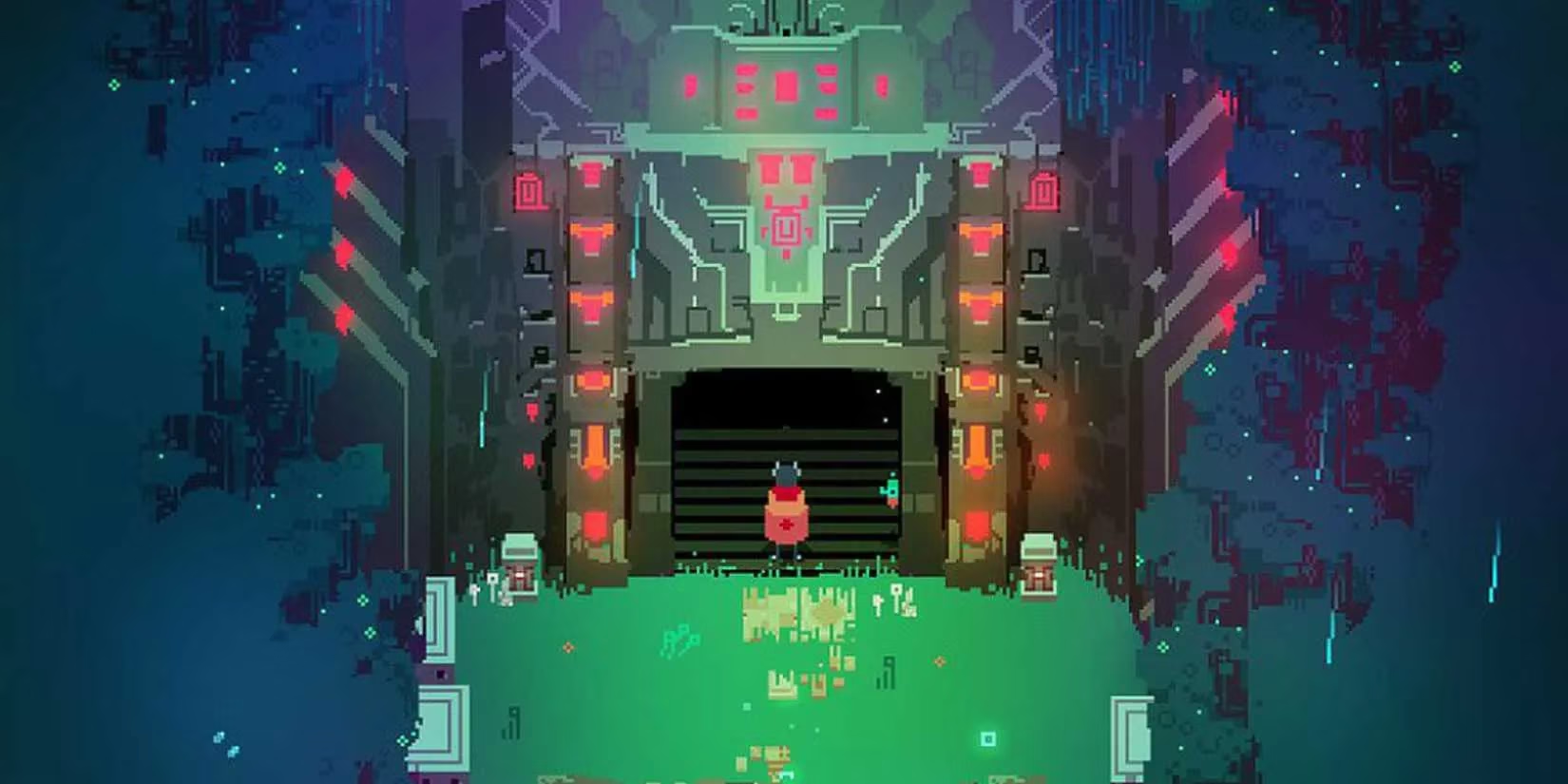
Hyper Light Drifter hit me with a wave of nostalgia the instant its 16‑bit pixel art flashed on screen. Yet this is no simple retro throwback; it’s a brutally elegant action‑adventure with RPG depth. The combat demands precision—dashing, slashing, and firing an arsenal of guns and bombs while reading enemy patterns. The world tells its story through cryptic environmental puzzles and a haunting soundtrack, not a single line of dialogue. I pieced together the tale of a dying world and a sick wanderer, and the emotional weight lingered long after the credits. I later snagged the special edition, which added new weapons, an extra boss, and a challenge mode for veterans like me.
Death’s Door: A Soul‑Reaping Zelda‑Like with a Punch
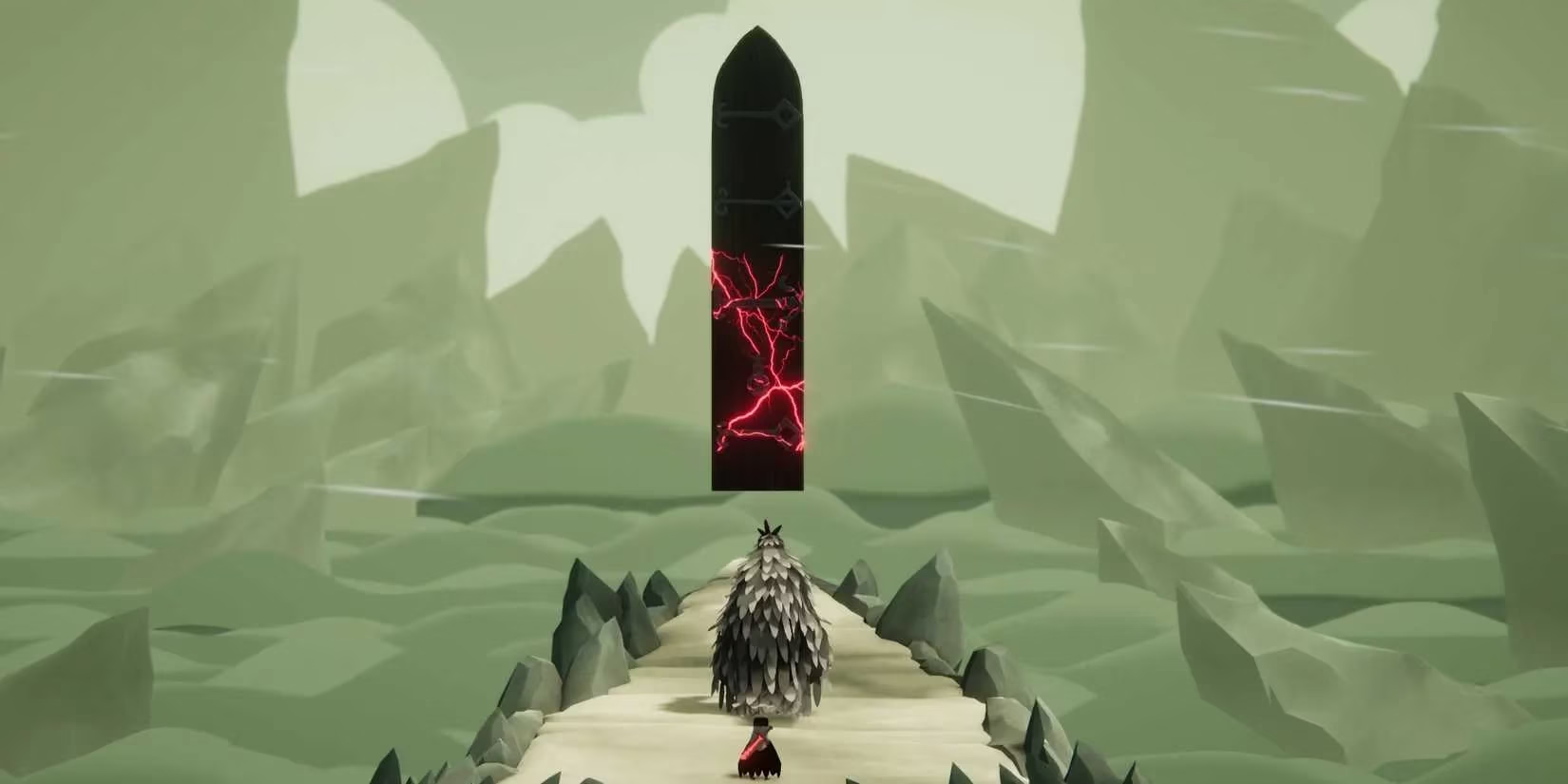
Imagine a classic isometric The Legend of Zelda game, but you play as a tiny crow employed by a bureaucratic afterlife office. That’s Death’s Door, a game that immediately charmed me with its pitch‑perfect blend of dungeon crawling, puzzle solving, and snappy combat. I swung my glowing sword through crumbling castles and overgrown courtyards, unlocking abilities that let me revisit earlier areas for secrets. The darkly humorous narrative—filled with monotone bureaucrats and melancholic souls—gave me genuine chuckles and moments of reflection. The boss fights are a true test of patience, echoing Dark Souls in their demand for pattern recognition, but each victory felt exhilarating. This is a must‑play for anyone who grew up with a boomerang and a green tunic.
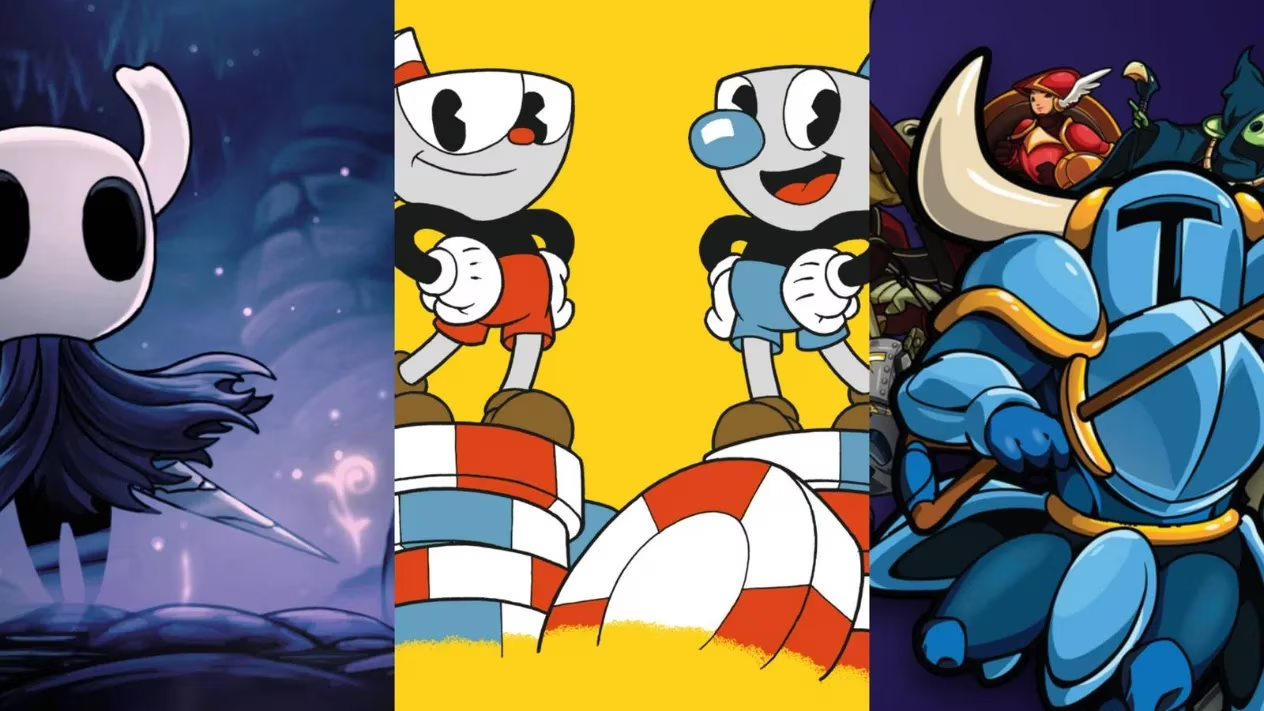
Cuphead: Don’t Deal with the Devil – A Hand‑Drawn Boss Rush
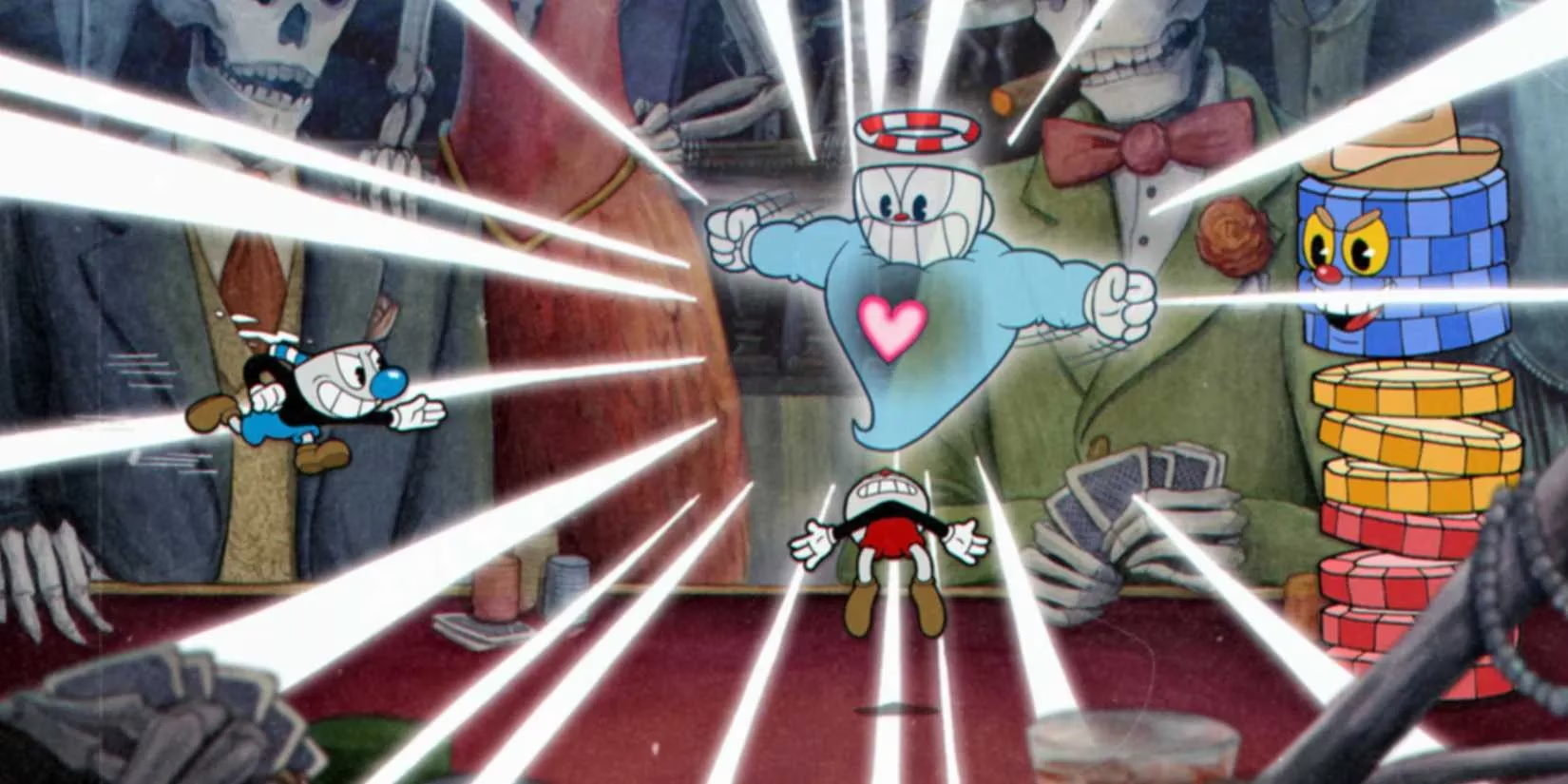
I still struggle to wrap my head around the fact that a tiny indie team, Studio MDHR, crafted Cuphead entirely with hand‑drawn frames and watercolor backgrounds. Playing this game feels like I’ve fallen into a 1930s cartoon—the rubber‑hose animation, the scratchy jazz soundtrack, and the slapstick humor are immaculate. But don’t let the charm fool you: this is a relentless boss‑rush action‑adventure that demands split‑second reflexes. I spent an entire weekend trying to beat King Dice alone, and the sense of accomplishment when I finally dodged every card and bullet was unmatched. There’s no filler; every screen is a carefully orchestrated ballet of chaos, and I loved every infuriating second of it.
Bastion: A Narrative‑Rich Isometric Gem
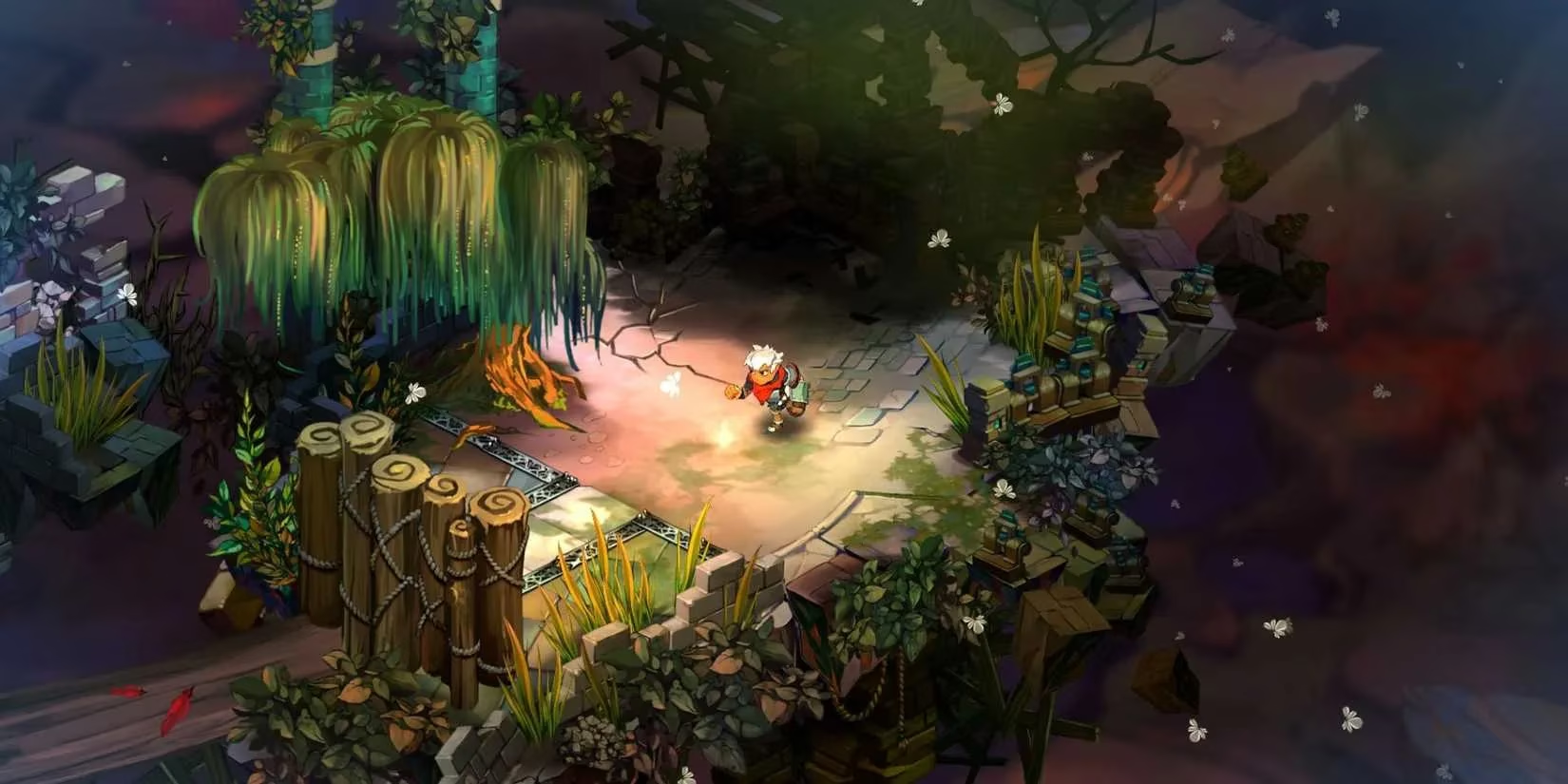
I was captivated by Bastion from the moment the narrator’s rich, gravelly voice began describing my every move. As the Kid, I carried a massive hammer through floating, shattered landscapes that reassembled beneath my feet. The isometric action is tight, with a wide arsenal—from quick machetes to powerful mortars—that I could upgrade at the Bastion, my ever‑growing home base. What makes Bastion special is the choice: I could activate idols to make enemies tougher in exchange for more rewards, tailoring the challenge to my mood. The story, a poignant tale of loss and recovery, unfolds entirely through that omniscient voice, and I found myself slowing down just to hear what he’d say next. The new game plus mode added extra layers, making it a game I’ve replayed multiple times.
Hollow Knight: A Metroidvania Masterpiece in Monochrome
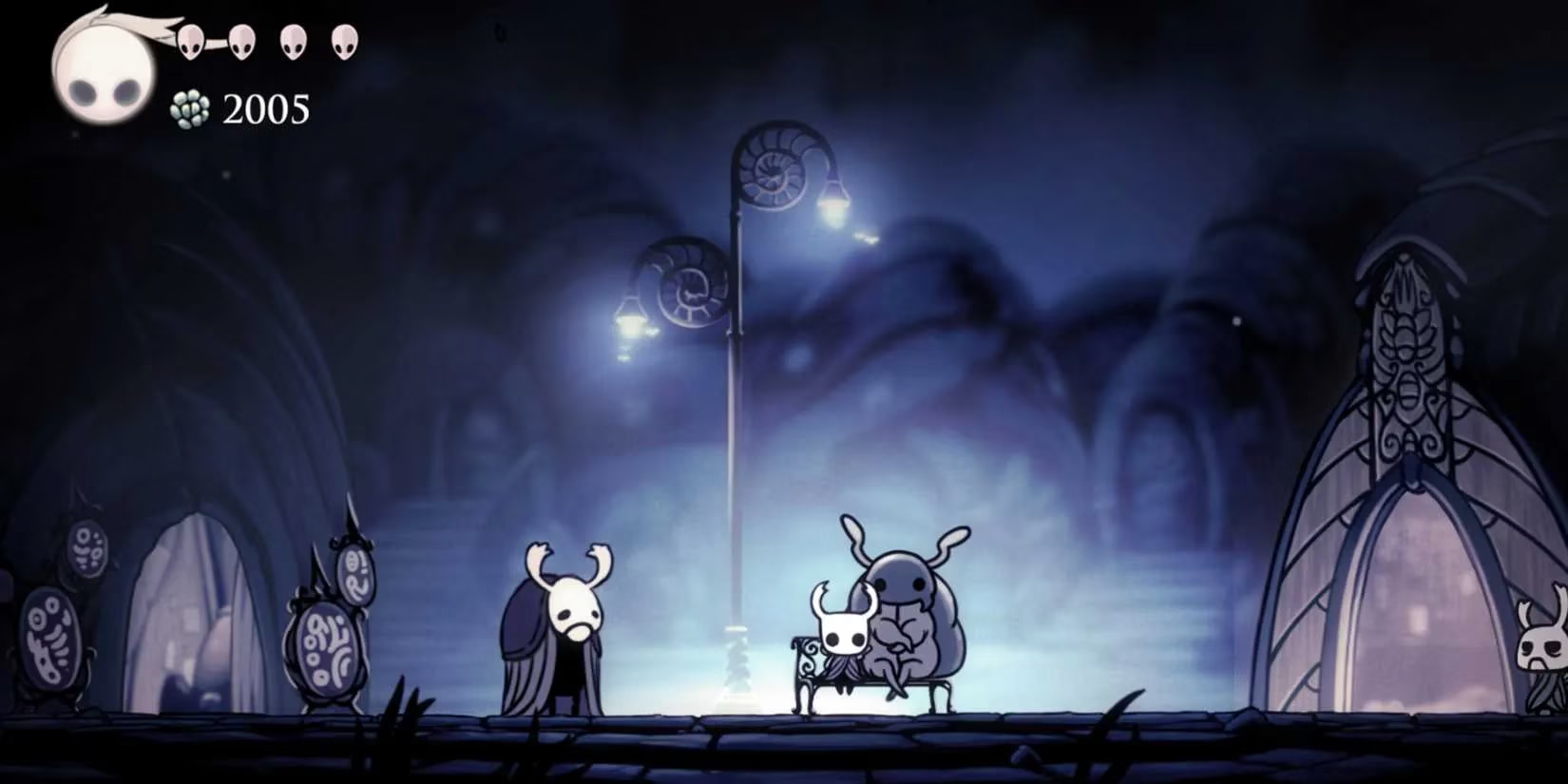
Before I ventured into Hallownest, I thought I understood Metroidvanias. Hollow Knight redefined the genre for me. Its hand‑drawn monochromatic art style drips with atmosphere—a kingdom of bugs in ruin, silent and melancholic. The fluidity of movement, from basic jumps to nail‑arts and shadow dashes, makes traversing the sprawling map a joy. I lost myself in the labyrinthine caves, unlocking abilities that opened new paths, always pushing deeper into the unknown. The bosses, however, are the crown jewels: each encounter is a distinct dance, from the Mantis Lords’ elegant scythe attacks to the Nightmare King’s relentless speed. The narrative is subtle, pieced together through cryptic dialogue and environmental storytelling, and it left me emotionally devastated in the best way possible.
Shovel Knight: Treasure Trove – A Modern 8-Bit Classic
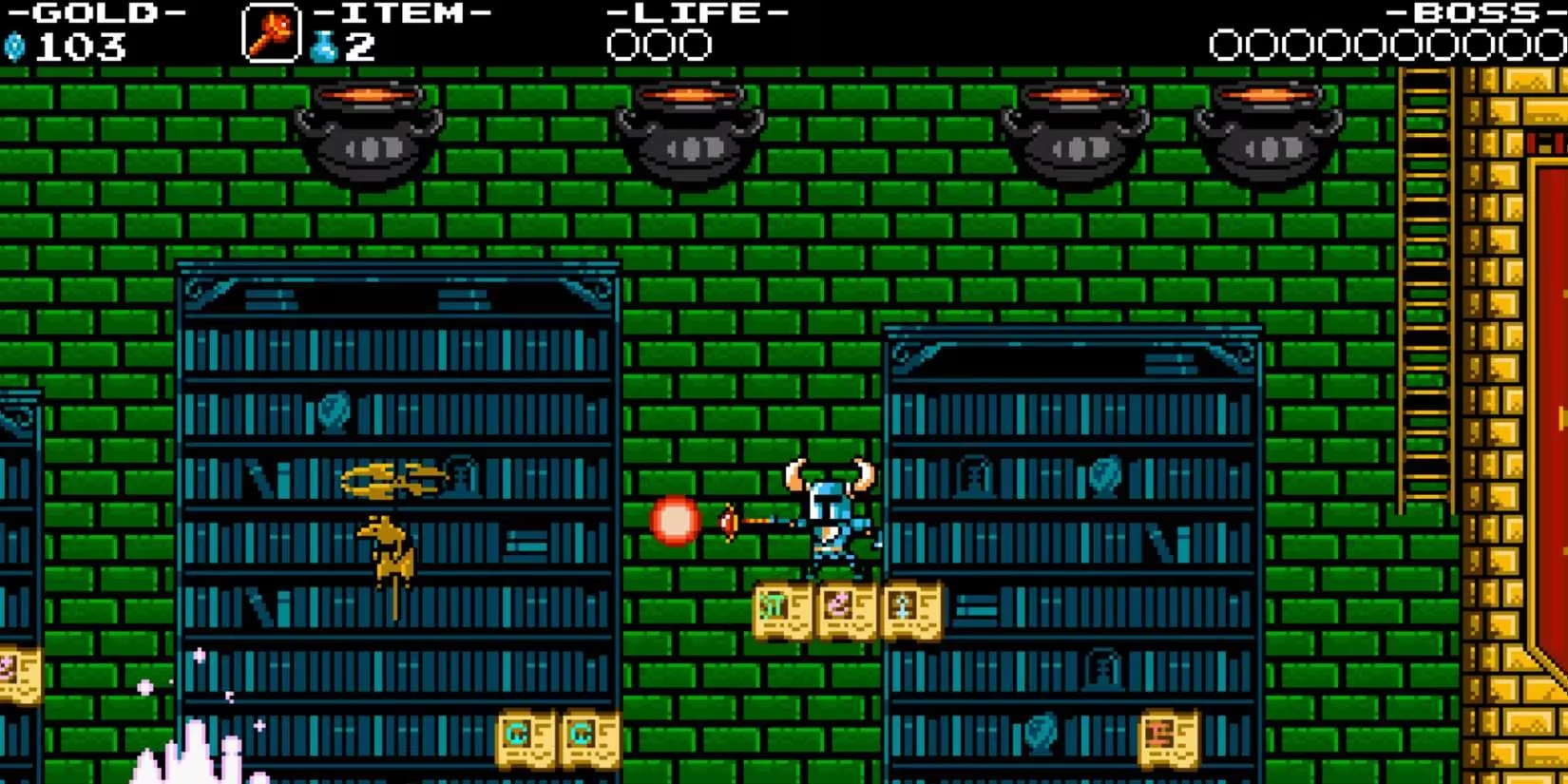
My indie journey came full circle with Shovel Knight: Treasure Trove, a love letter to the NES era. This collection packages four complete campaigns and a multiplayer brawler, all rendered in authentic 8‑bit style but refined with modern sensibilities. I started as Shovel Knight, bouncing on enemies with my trusty shovel and digging through walls for treasure. Then I switched to Plague Knight’s explosive alchemy, Specter Knight’s fluid scythe‑slashing, and King Knight’s dash‑heavy combat—each campaign offers a distinct protagonist and storyline. The chiptune soundtrack is an earworm, and the tight platforming challenges harken back to Mega Man and DuckTales. I often found myself grinning at the pixel‑perfect animations, feeling like a kid again. The multiplayer mode, Showdown, became a party staple with friends, cementing this collection as a loving tribute to an era I still adore.
Reflecting on this journey, I’m continually amazed at how these indie teams—tiny by industry standards—managed to create experiences that rival or even surpass big‑budget titles. Each game, whether a cozy platformer, a dark roguelike, or an expansive space opera, carries a distinct soul. They reminded me why I fell in love with action‑adventure games in the first place: the thrill of discovery, the pang of a boss defeated after twenty tries, and the quiet moments of a story well told. If you’re weary of the same blockbuster formulas, I urge you to dive into any of these gems. You might just find your new favorite adventure.
Comments