
As a lifelong gamer, I've watched trends come and go, but my heart has always belonged to single-player experiences. In an era dominated by massive online worlds and live-service games, there's a quiet, persistent magic in the Metroidvania genre that continues to captivate me. It's a feeling of pure, unadulterated gaming—a perfect blend of exploration, discovery, and mastery that feels both classic and endlessly inventive. In 2026, my PlayStation 5 has become a portal to some of the most incredible worlds this genre has to offer, from timeless classics reborn to bold, new indie visions that push the boundaries of what these games can be.
My journey often begins with a dose of history, a return to where it all truly crystallized. Castlevania Requiem is that essential history lesson, packaged for the modern age. It feels like opening a treasured book. Playing Rondo of Blood and Symphony of the Night back-to-back isn't just nostalgic; it's a masterclass in evolution. You can feel the genre's DNA being written in real-time. The transition from the more linear, stage-based challenge of Rondo to the sprawling, gothic castle of Symphony is breathtaking. Sure, the presentation is simple by today's standards, but the core gameplay—the whip-crack combat, the haunting melodies, the thrill of finding a new ability that unlocks a path you passed hours ago—is timeless. It’s the foundation upon which everything else is built.
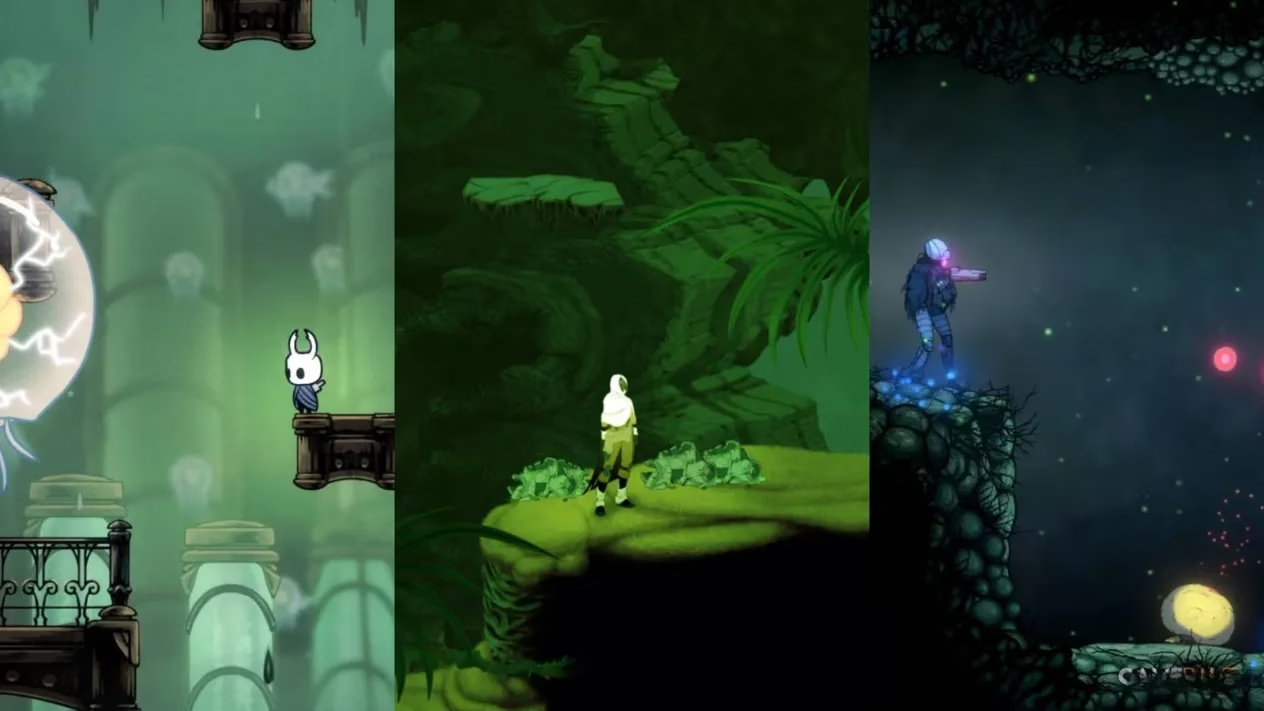
From the gothic past, I sometimes plunge into a chaotic, Lovecraftian future with Sundered. This game is a sensory overload in the best way possible. Controlling Eshe as she’s pulled into a crumbling world by the Shining Trapezohedron is an exercise in controlled chaos. The hand-drawn art is stunningly beautiful, even as it depicts cosmic horrors. Enemies don’t just wait in rooms; they can swarm from anywhere, forcing you to master movement and combat on the fly. It’s intense, unpredictable, and utterly unique. The procedurally generated elements mean no two playthroughs are exactly the same, which keeps the sense of dread and discovery fresh, even if it can sometimes disrupt the pacing. For me, it’s a vibrant, nerve-wracking jewel in my collection.
When I crave a different kind of mystery, I boot up Axiom Verge 2. The story of Indra Chaudhari searching a multidimensional Antarctica for her daughter is compelling sci-fi. The shift to the world of Kiengir, with its ancient robots and mysterious lore, feels monumental. What I adore most is its commitment to a retro aesthetic. The pixel art isn't a limitation; it's a stylistic choice that oozes atmosphere and proves that cutting-edge graphics aren't necessary for immersion. The exploration here feels methodical and rewarding. Finding a new tool or ability and suddenly understanding how to navigate a previously impassable area is that classic Metroidvania loop, executed with precision and a deep love for the games that inspired it.
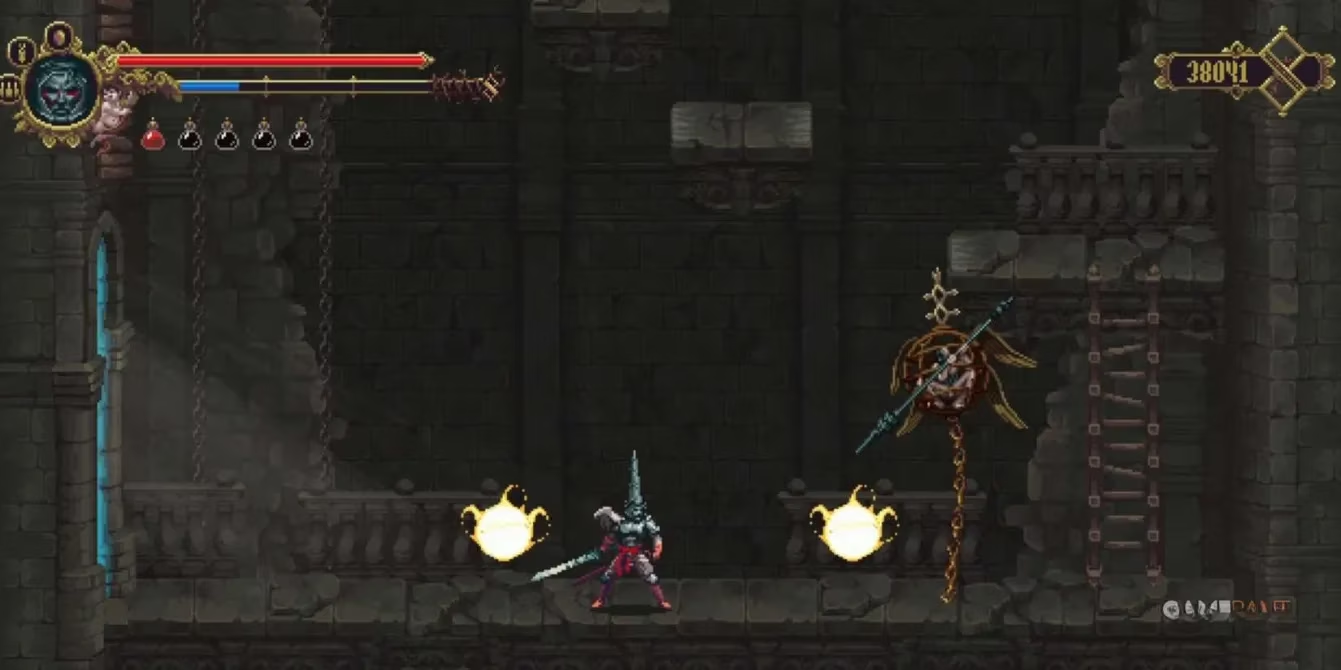
Then there are the worlds that leave a permanent mark on your soul. Blasphemous is one of those. It is unapologetically brutal, both in its challenge and its imagery. Taking control of The Penitent One in the land of Cvstodia is a pilgrimage through a nightmare painted with religious iconography pushed to grotesque and beautiful extremes. This game sits firmly in the Soulslike corner of the Metroidvania world. Every enemy encounter demands respect, and every boss fight is a monumental test of patience and skill. The satisfaction of finally toppling a towering, monstrous foe after countless attempts is a feeling few games can replicate. It’s not for the faint of heart, but for those who persevere, it offers a deeply rewarding and uniquely grim adventure.
For a more melancholic, atmospheric sci-fi trip, I find myself on the lonely moon of Ghost Song. The tale of the Deadsuit waking with no memory is a slow burn, focused on atmosphere and discovery over sheer action. The influence of Metroid is clear, and it’s a loving homage. The world is beautifully desolate, filled with strange bioluminescent life and the echoes of a lost civilization. The boss fights are challenging but fair, and the narrative, while simple, has a quiet, engaging pull. It’s proof that a game developed largely by one person can create a world that feels vast, mysterious, and utterly captivating.
My adventures have taken me to even stranger places. Grime is a surrealist masterpiece, a game that feels like exploring a living, breathing painting of despair. Playing as The Vessel in a world that is literally crumbling and consuming itself is a uniquely unsettling experience. The art style is unlike anything else—all organic shapes, strange textures, and haunting vistas. Like Blasphemous, it borrows from the Dark Souls school of tough-but-fair combat, with boss battles that are as bizarre in design as they are challenging. It’s a game that won’t appeal to everyone, but for those willing to embrace its weirdness, it’s an unforgettable journey.
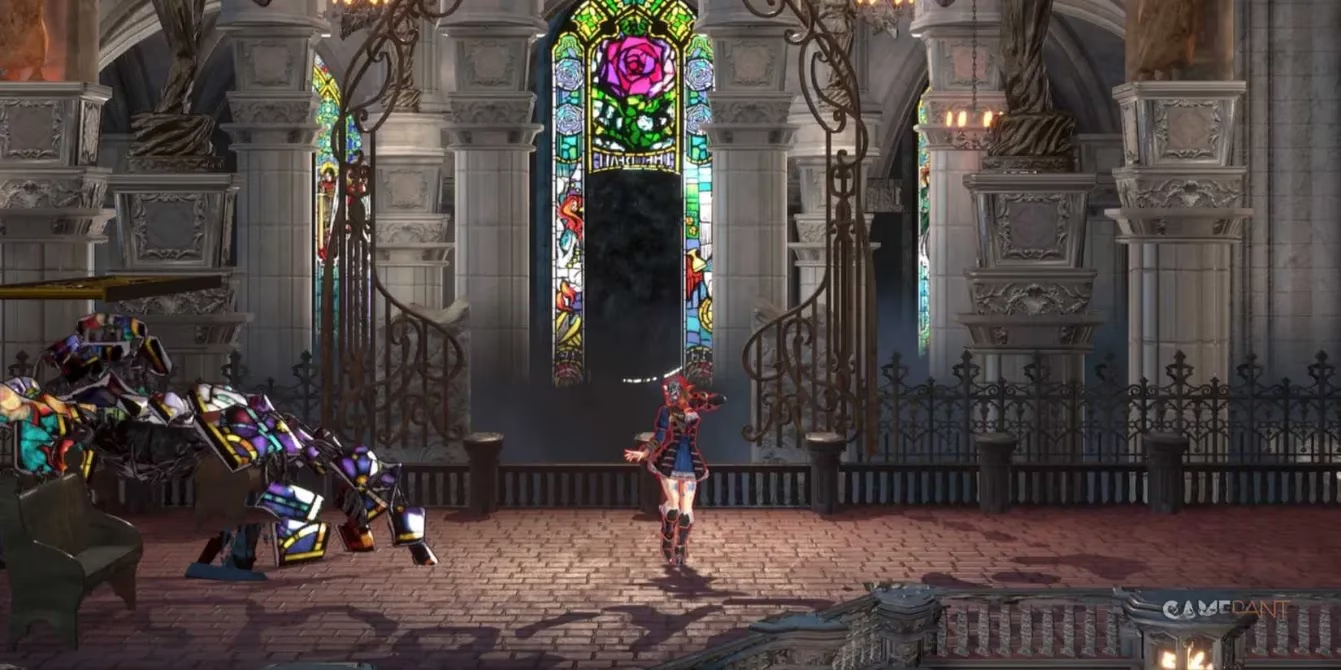
Sometimes, you just want a classic-feeling adventure made with modern sensibilities. That’s where Bloodstained: Ritual of the Night shines. Led by the producer of the classic Castlevania games, it feels like a warm, welcome return home. The story of Miriam battling demons in a fantastical 18th-century England is packed with charm. What I love most is the incredible depth of customization. The sheer variety of weapons, spells, and abilities means you can tailor your playstyle endlessly. It manages to be both a loving tribute to Symphony of the Night and a fantastic game in its own right, packed with secrets, huge bosses, and a castle that’s an absolute joy to explore.
Not all Metroidvanias are solely about combat. Iconoclasts is a brilliant puzzle-platformer with a heart. Playing as the unlicensed mechanic Robin, fighting against the oppressive One Concern, is a journey filled with wit, colorful characters, and clever environmental puzzles. The world is vibrant and full of personality, largely conveyed through sharp, well-written dialogue. It’s more linear than some purists might prefer, but its engaging story, tight gameplay, and charming world make it a standout title that expands what the genre can encompass.
For a more emotional, haunting experience, Ender Lilies: Quietus of the Knights is a constant favorite. The tale of Lily, the last priestess in a blighted land, is told with a quiet, profound sadness. The core mechanic of purifying fallen spirits and then having them fight alongside you is genius. Each spirit provides a new ability, creating a versatile and deeply personal combat toolkit. The world design is often breathtakingly beautiful in its decay, and the fluidity of combat, weaving between different spirit abilities, is incredibly satisfying. While it may not be the most challenging game for veterans, its atmosphere, story, and combat system create a profoundly memorable experience.
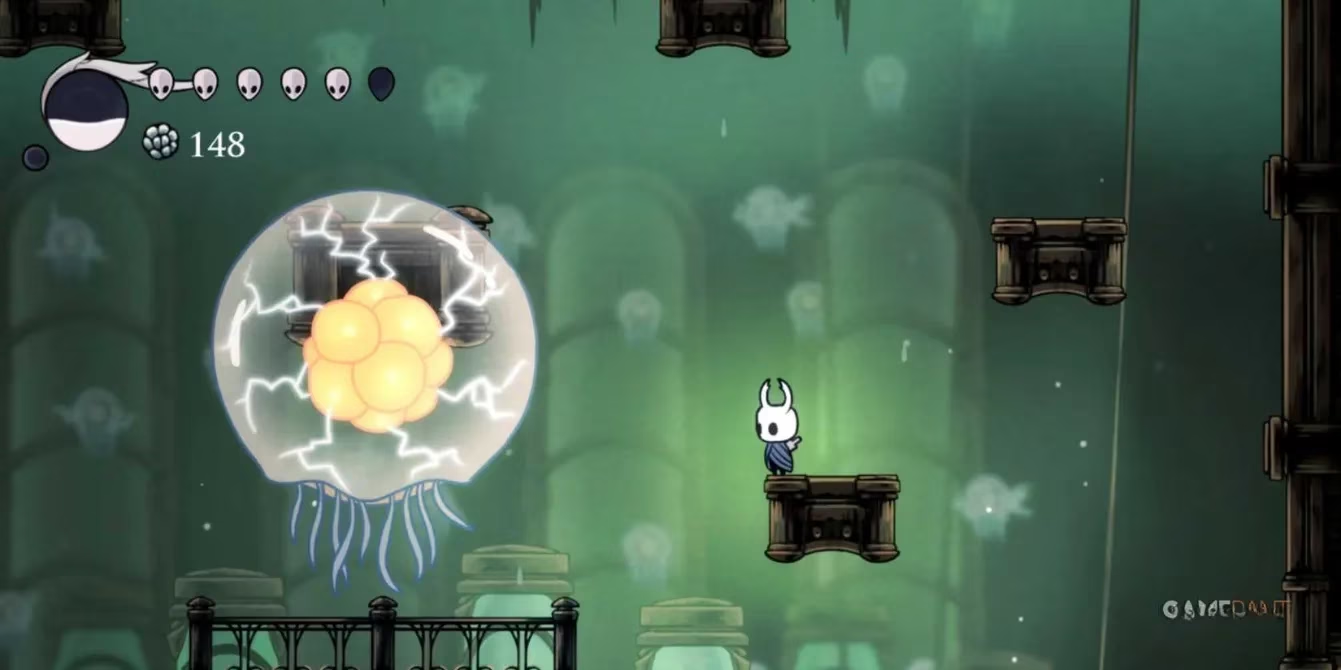
And yet, for all these incredible journeys, one game stands as the pinnacle, the masterpiece against which I measure all others: Hollow Knight. Descending into the forgotten kingdom of Hallownest for the first time remains one of my most cherished gaming memories. It is a game of perfect harmony. The melancholic, beautiful art. The haunting, unforgettable soundtrack. The precise, fluid combat that feels challenging yet always fair. But above all, it’s the sense of exploration. Hallownest feels like a real, layered place, with history buried in every corner. Unlocking a new ability like the Mantis Claw or the Monarch Wings doesn’t just open a new door; it fundamentally changes how you perceive and move through the entire world you’ve already explored. The map slowly unfurling, revealing secret passages, hidden bosses, and poignant lore snippets, is an absolutely magical experience. It is, in my opinion, not just one of the best Metroidvanias ever made, but one of the best games ever made. A true must-play.
In 2026, the Metroidvania genre is thriving. My PS5 is a library of interconnected worlds, each offering a unique flavor of adventure, challenge, and discovery. From the foundational classics to the bold, experimental indies, these games represent the pure, unadulterated joy of exploration and mastery. They are worlds to get lost in, challenges to overcome, and stories to uncover piece by piece. For a single-player gamer like me, there's no richer playground. 🎮✨
A Quick Glance at My Metroidvania Hall of Fame:
| Game | Key Strength | Vibe/Setting |
|---|---|---|
| Hollow Knight | Masterful world-building & atmosphere | Melancholic, Bug-filled Ruins |
| Blasphemous | Brutal, satisfying combat & stark imagery | Gothic, Religious Horror |
| Bloodstained: Ritual of the Night | Deep customization & classic feel | Gothic Fantasy, Demonic Invasion |
| Axiom Verge 2 | Retro sci-fi mystery & exploration | Multidimensional, Ancient Tech |
| Ender Lilies | Emotional storytelling & spirit-combat | Beautiful, Cursed Fantasy Land |
| Sundered | Chaotic action & Lovecraftian horror | Cosmic, Crumbling Civilization |
| Grime | Surreal art style & challenging combat | Organic, Living Nightmare |
| Castlevania Requiem | Foundational genre history | Classic Gothic Horror |
Comments